In a culture obsessed with what’s next, one of the most powerful creative levers right now is looking back.
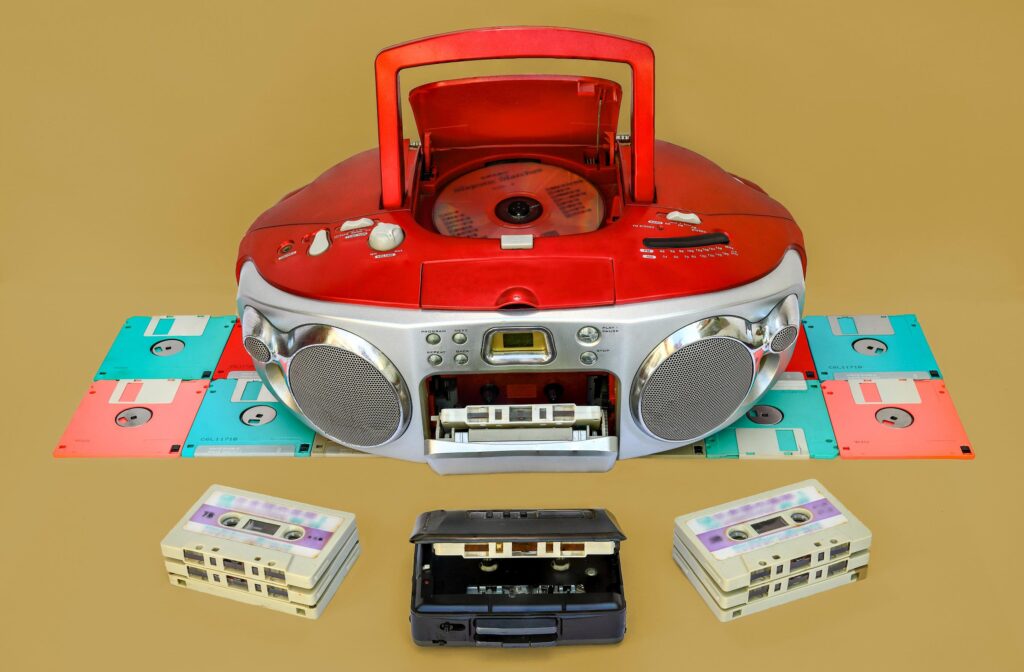
From ad campaigns built around legacy characters and long-running brand callbacks to the rise of vaporwave visuals, liminal spaces, and ’90s aesthetics across social, we’re watching a full-scale nostalgia loop unfold in real time.
In an overstimulated, AI-saturated, economically and politically uncertain environment, familiarity feels grounding. Shared memories feel safe. Cultural callbacks cut through because they require less cognitive effort and deliver more emotional return.
For marketers, the question is how to use nostalgia in a way that builds genuine connections instead of short-term attention.
Be resonant, not just retro
There’s a critical distinction marketers need to understand: Retro is aesthetic. Nostalgia is emotional.
Aesthetic nostalgia relies on surface cues, like:
- VHS filters
- ’90s typography
- Pixelated graphics
- Familiar soundtracks
Emotional nostalgia taps into lived experiences, including:
- The feeling of watching something with your family every week
- The communal energy of early internet culture
- The optimism of a pre-disruption era
- The sense of collective moments before algorithmic fragmentation
Authenticity is what separates resonance from gimmickry.
Start with a real connection to your brand
Ask yourself, “Does our brand have a legitimate connection to this era, moment, or cultural memory?” The most effective nostalgic campaigns tend to fall into one of three categories:
- Heritage-based
Brands with long histories revisiting their own archives, characters, or legacy messaging.
- Category-based
Brands tapping into a shared cultural moment relevant to their category (e.g., gaming, early internet, and pop culture). - Audience-based
Brands connecting to a formative life stage of their target demographic or a time period that resonates with them (even if they are too young to have lived it).
Understand before re-creating
It’s tempting to rely on AI tools to re-create the look of a period. While AI can be incredibly helpful in analyzing patterns, identifying broader cultural shifts, and surfacing data about audience sentiment, it can’t fully replicate lived experience. If you’re tapping into lifestyle nostalgia, talk to people who actually lived it. Authenticity lives in the details, like tone, imperfections, and emotional undercurrents.
What this means for brands
The key is to use nostalgia as a strategic amplifier, not a stylistic shortcut. Identify the feeling your audience is missing, connect it to a truth your brand can legitimately own, and show how you’re carrying that feeling forward. The brands that win are the ones that translate yesterday into relevance today.